A city, a thousand stories
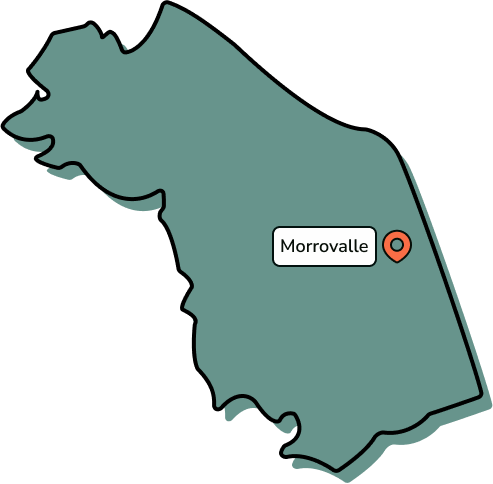
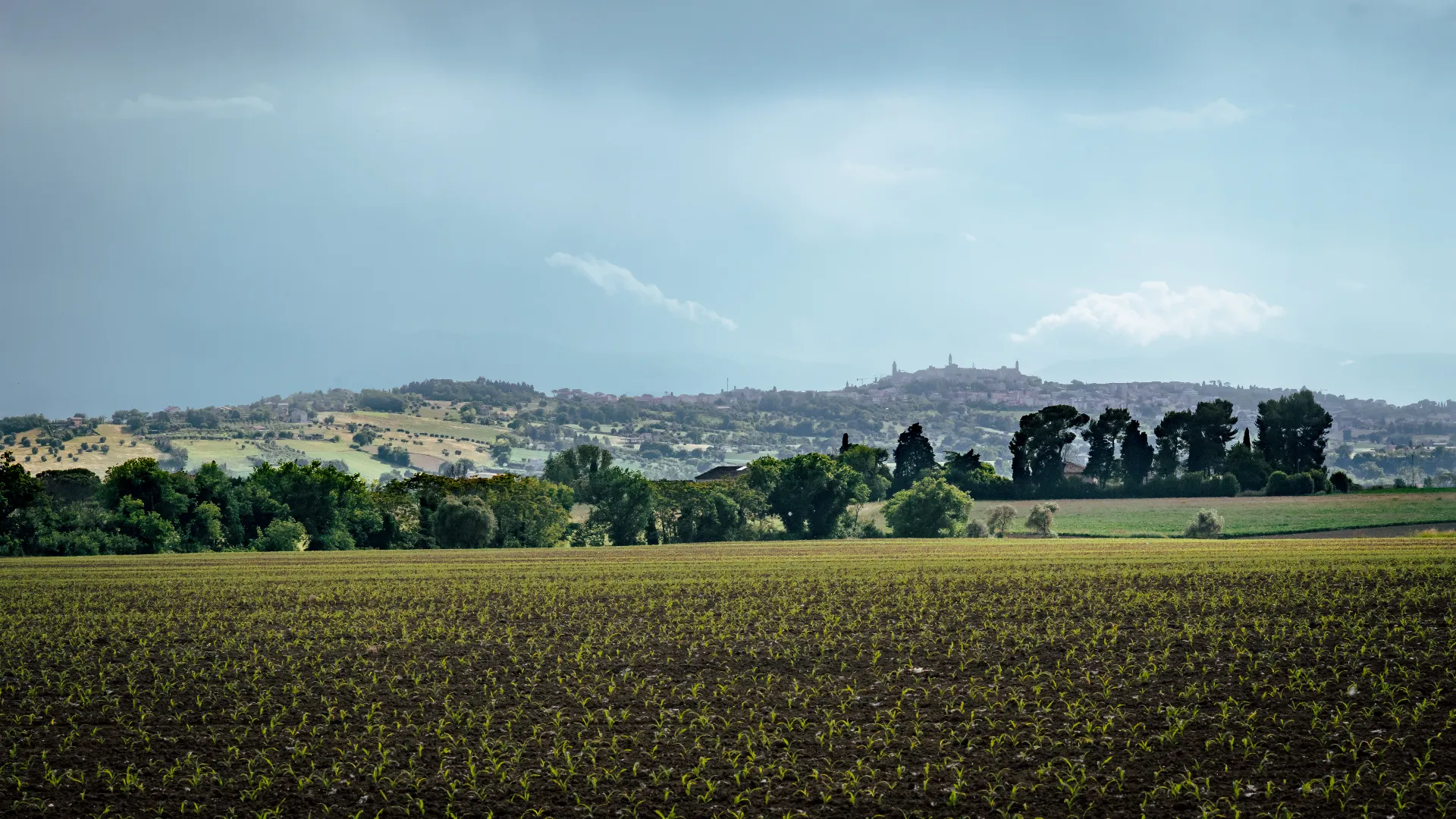
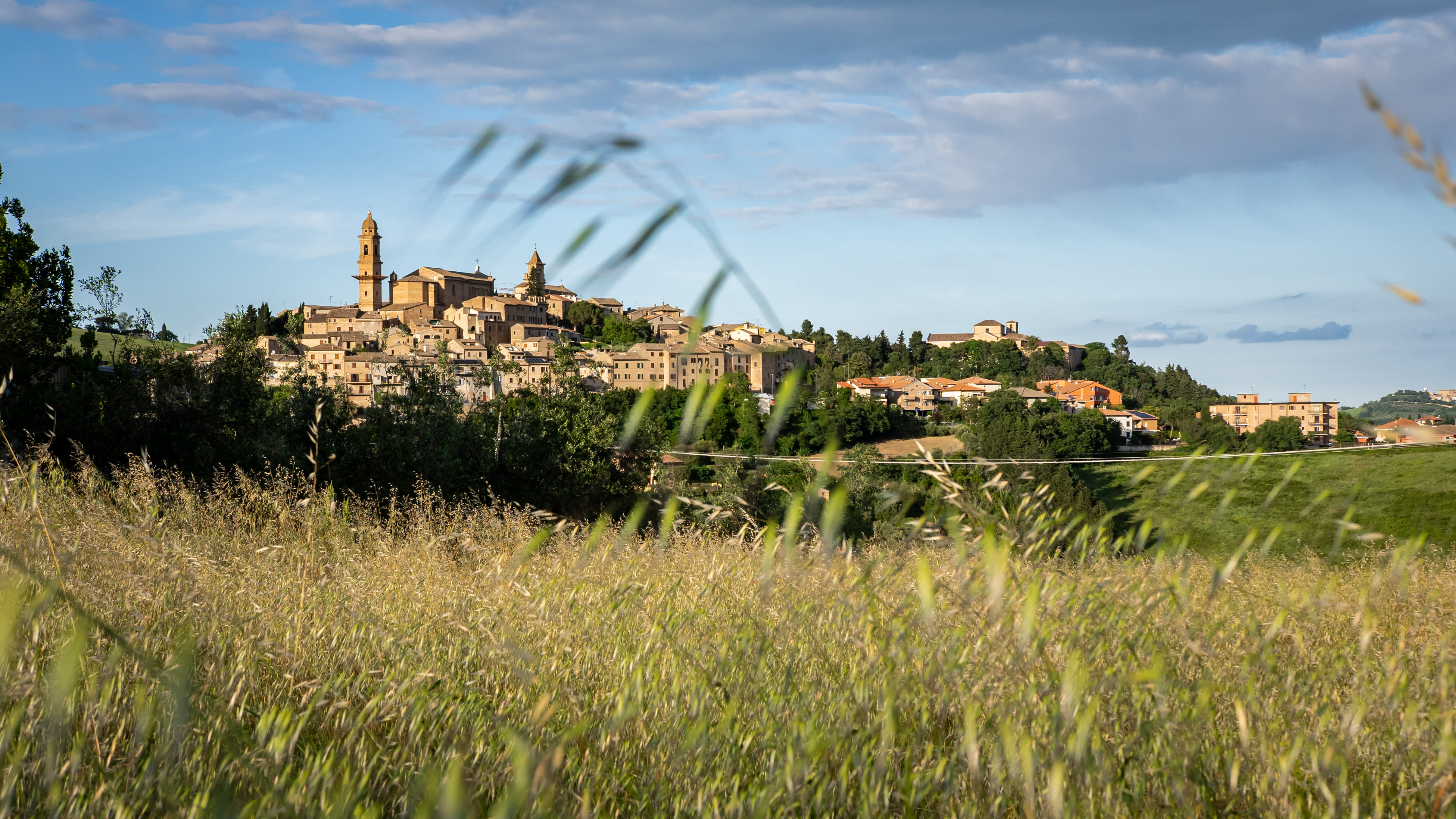
Morrovalle stretches along one of the hillside slopes framing the valley of the Chienti River, in a strategic position between two important hubs: the Adriatic coast, with Civitanova Marche located less than 15 km away, and the provincial capital Macerata, which can be reached in a 20-minute drive.

Places not to be missed

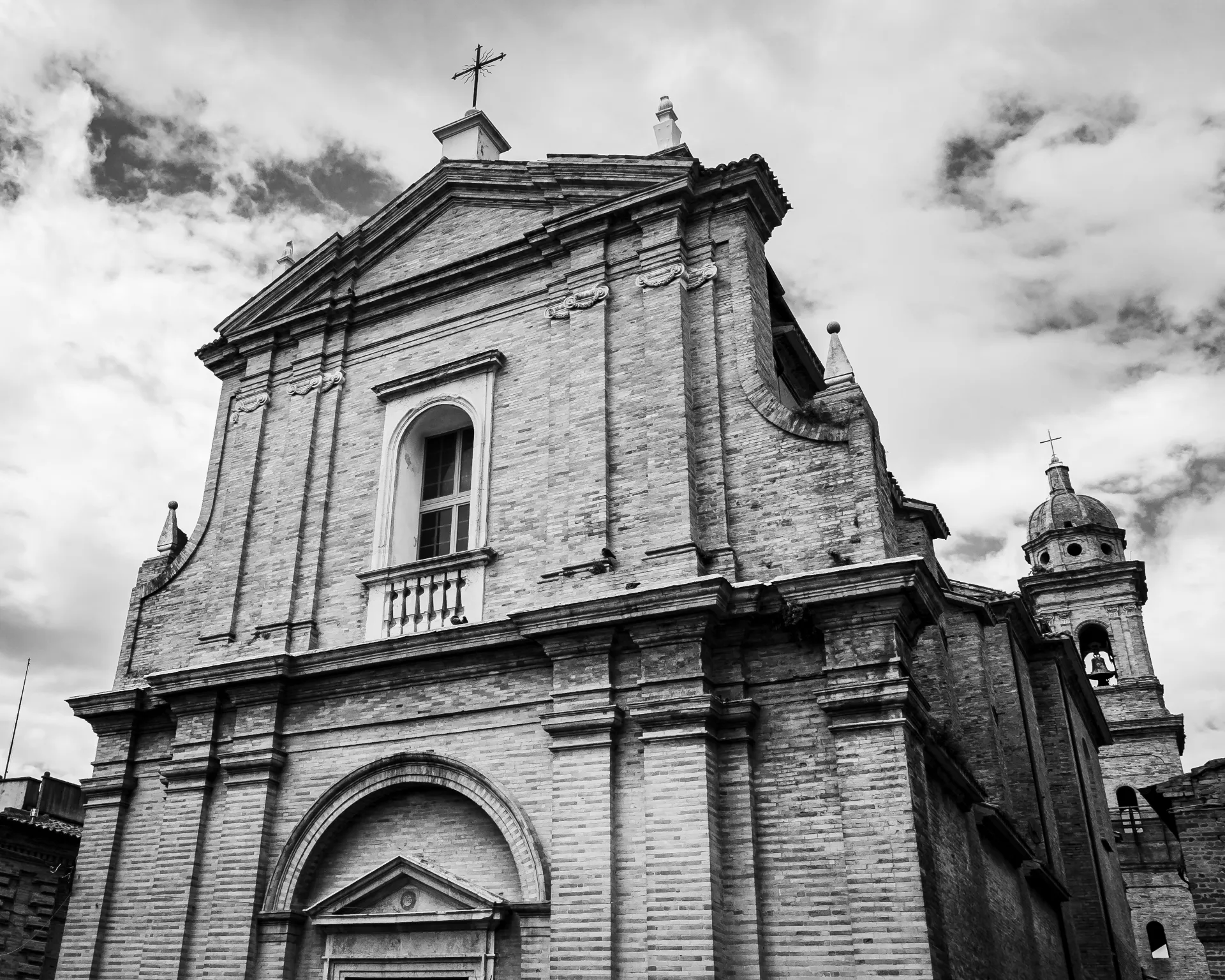
Chiesa di San Bartolomeo
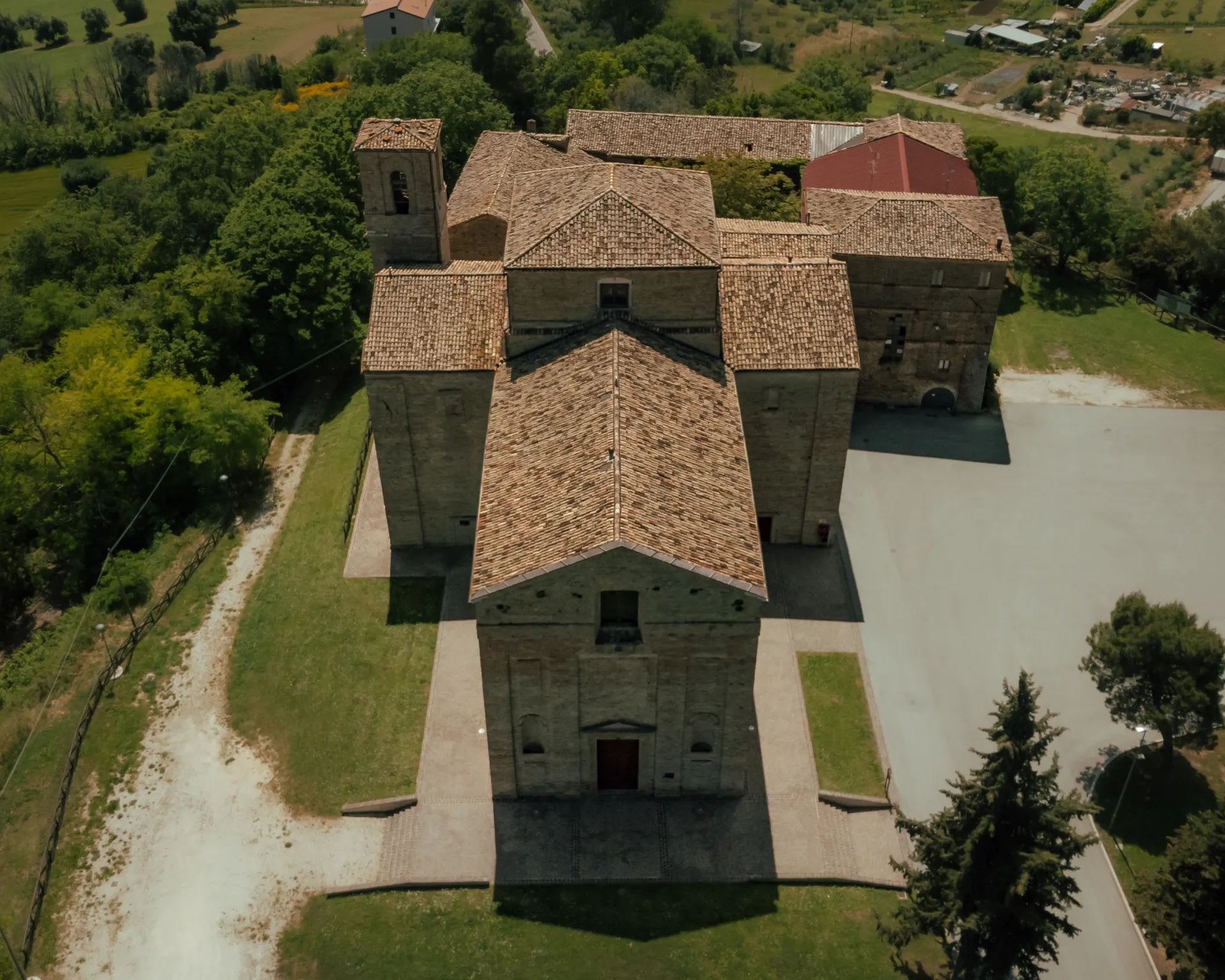
The building, imposing yet elegant, stands out for its exposed brick façade, arranged over two superimposed levels and enriched with classical architectural elements such as pilasters, pediments, and a central window framed in stone. The interior, with a single nave and side chapels, features decorations that reflect renovations carried out over the centuries, while still preserving highly valuable 18th-century elements. At the rear rises the slender and decorated bell tower, which helps make the complex one of the most recognizable in the village. Inside, it houses works of art, relics, and testimonies linked to Morrovalle’s religious history: among them, a wooden crucifix, a prized organ crafted by a renowned Venetian master organ builder, and the relics of the Eucharistic Miracle, transferred here following the suppression of ecclesiastical property by the Italian government and the annexation of the Convent and Church of San Francesco. Mass schedule: Saturday at 6:30 PM; Sunday at 9:00 AM, 11:00 AM, and 6:30 PM

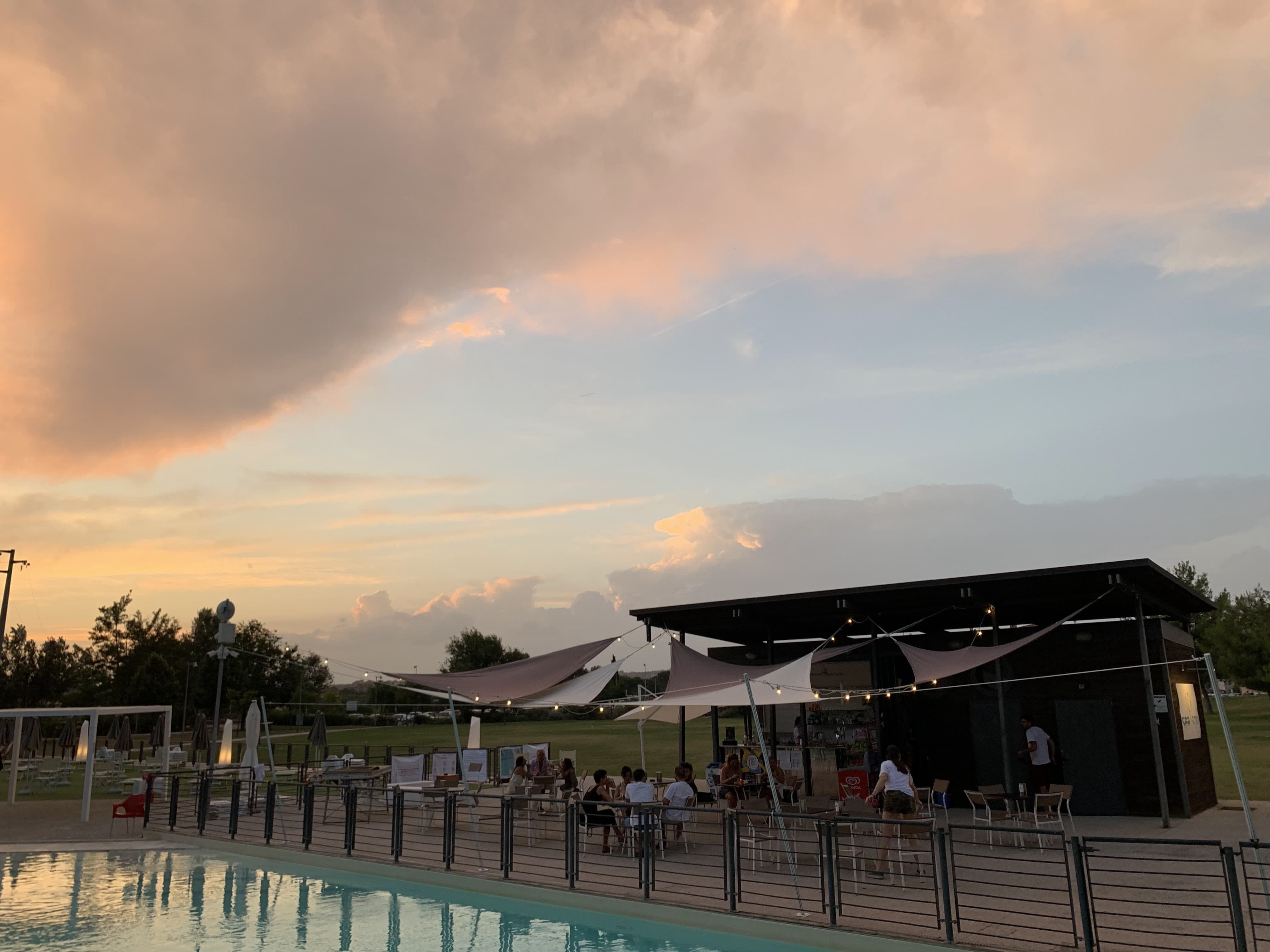
Piscina all’aperto
Sea.Son Drink & Pool is Morrovalle’s open-air swimming pool, open to the public from early June throughout the summer season. Nestled in a lush park, it offers a fully equipped solarium for sunbathing and relaxation, complemented by cocktail service, aperitifs, and themed evenings. In addition to open swimming, the facility organizes water fitness activities, swimming lessons, and recreational events for both adults and children.

Pincio
A well-kept public park overlooking one of the most beautiful views in the area, where the gaze opens onto the rolling hills of Macerata, with alternating fields, rows of trees, and the profiles of distant villages. Its name recalls a tradition that spread throughout Central Italy after 1870, when many towns decided to create green spaces inspired by the famous Roman Pincio: panoramic, orderly places designed for strolling and leisure time. Location: Via Battisti.

Ex Convento Francescano (Auditorium Borgo Marconi)
Located just outside Morrovalle’s city walls, beyond Porta Alvaro, the former Convent of San Francesco is one of the town’s most historically significant sites. Of particular note is the Eucharistic Miracle of 1560, which occurred in the convent’s church when a host remained intact despite a fire—an event that left a lasting mark on the religious memory of the village. Founded in the 13th century by the Observant Friars Minor, also known as the ‘Zoccolanti,’ the convent bears witness to the Franciscan presence in the area since the early centuries of the town’s foundation. Originally, the friars settled in a small hermitage in the district of ‘Coppo,’ from which one of the names by which the complex is still known is derived. The building, designed with a Latin cross plan featuring a single nave and transept, has been fully restored and today houses the Municipal Auditorium—a 650-square-meter multipurpose venue with a capacity of 430 seats, used for performances, concerts, ceremonies, and conferences.

Porta Alvaro
The main gateway to Morrovalle’s historic center and one of the town’s most recognizable symbols, this gate was built in the 14th century and has undergone changes in appearance, function, and even name over time: from Porta Maris, facing the sea, to Porta dell’Alba, for its exposure to the rising sun, and finally to its current name, recalling a military event in 1445. It was here that the Aragonese commander Alvaro fell during a clash between Sforza’s troops and those loyal to the Papacy. Since then, the gate has also assumed a symbolic role, representing memory and identity for the entire community. In ancient times, the structure was connected to a city wall and closed with heavy iron doors, watched over by the “Clavigeri,” responsible for opening and closing them daily. Today, the arch still bears traces of the past, such as the emblem of Saint Bernardino and an inscription calling Morrovalle “Civitas Eucharistica,” in reference to the Eucharistic Miracle of 1560.